When you first arrive in Hanoi, the noise, traffic, and sheer movement of the city hit you immediately. But just a few minutes from the chaos of the Old Quarter, there’s a quiet, walled sanctuary where everything slows down. The Temple of Literature is the heart of Vietnam’s academic past, a tribute to its scholars, and one of the few spots where you can truly feel the weight of history in the capital.
For many Vietnamese, this is where their connection to education, family pride, and tradition begins. For foreign travelers, it’s a rare chance to step into a centuries-old space that still feels deeply relevant today. The temple was built nearly a thousand years ago — not as a religious site, but as the first national university of Vietnam. It trained royal mandarins, honored Confucius, and shaped the country’s intellectual roots.
If you're looking for something beyond cafés and street food, the Temple of Literature is where you find depth. Not only is it architecturally stunning, but it also tells a story of how knowledge, not wealth or power, once shaped Vietnamese society.
Built in 1070 during the reign of Emperor Ly Thanh Tong, the Temple of Literature was originally constructed to honor Confucius and his teachings. Just six years later, in 1076, it became Vietnam’s first national university: Quốc Tử Giám. For hundreds of years, it served as a place where the sons of nobles, mandarins, and eventually commoners studied for royal exams in literature, poetry, and philosophy.

Throughout the Ly, Tran, and Le dynasties, the temple remained a center of scholarship. Over time, steles were carved with the names of students who passed royal exams — these stone turtles with scholar names still stand today and are recognized by UNESCO for their historical value.
The temple is divided into five separate courtyards, each with its own significance:
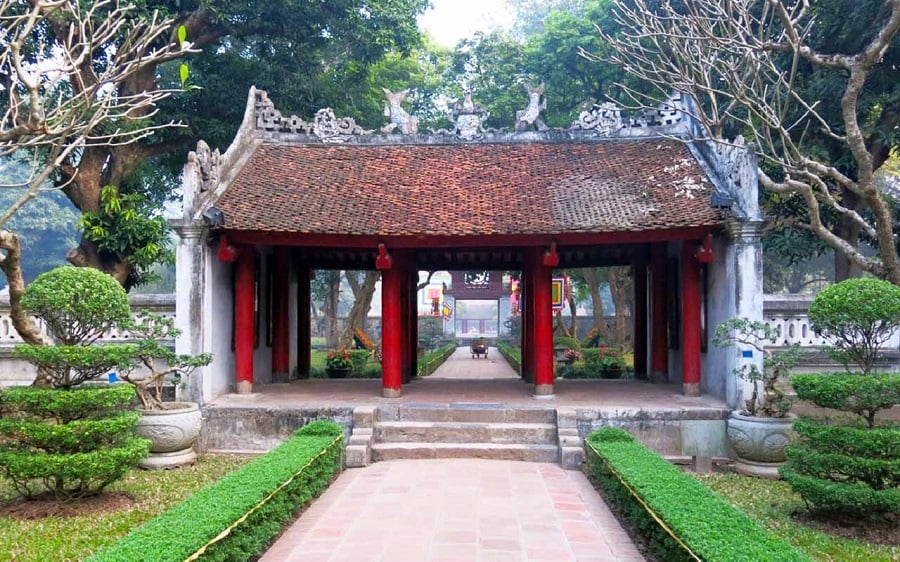
Walk through the original entrance where scholars once entered with reverence. To the side, you’ll find the Văn Lake and a small garden often filled with blooming flowers.
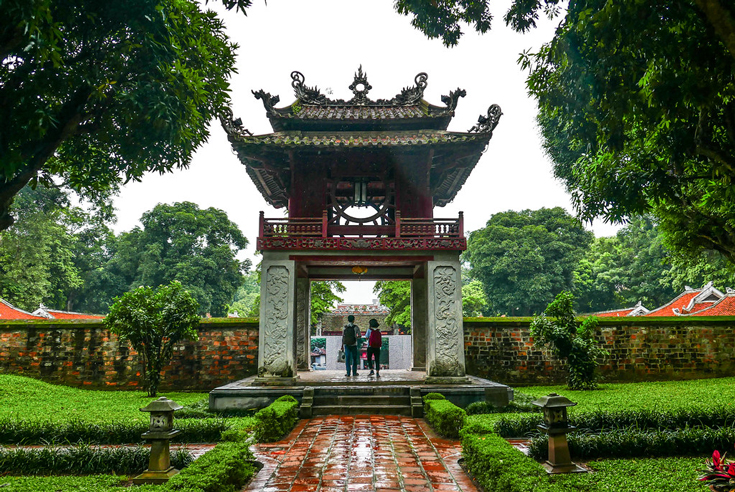
This iconic red pavilion with white circular windows is one of Hanoi’s most photographed landmarks. It's also the official symbol of Hanoi city.

You'll find the pond surrounded by 82 stone turtles bearing steles with the names of top scholars. These steles date back to 1484 and were placed to honor those who passed the royal exams.

This is the heart of the temple, where Confucius and his disciples are worshipped. Incense smoke often lingers in the air as Vietnamese visitors pay their respects.
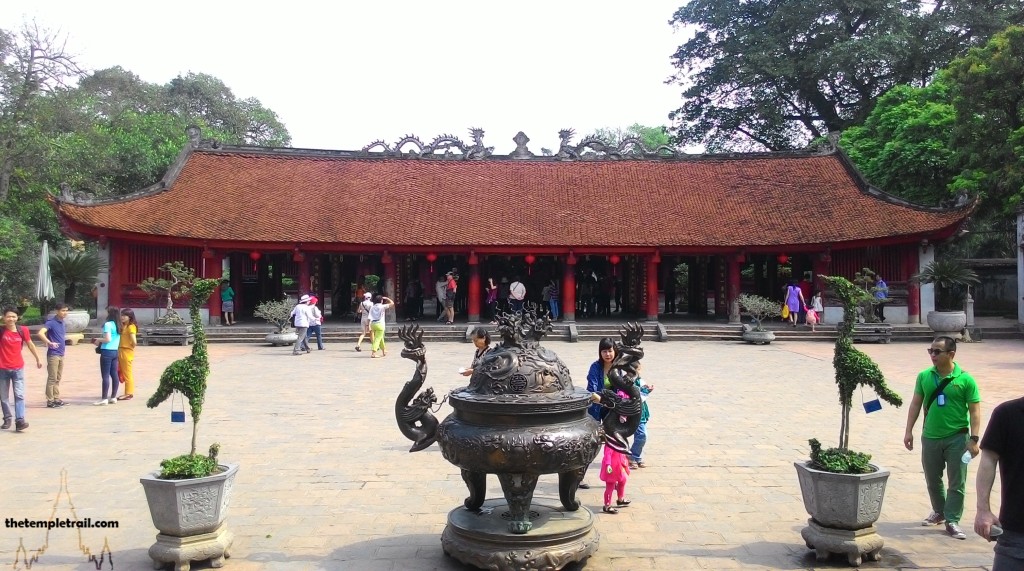
Originally used as a study hall, this building now functions as a museum showcasing ancient books, Confucian teaching tools, and displays about Vietnam’s academic history.
The Temple of Literature is more than just historical architecture. It represents Vietnam’s deep respect for education and moral conduct. For centuries, academic success was a path to status and service, and this temple was where that journey began. Even today, local students visit before big exams to pray for good results. During Tet (Vietnamese New Year), calligraphy masters set up stalls to write lucky words for visitors — a unique cultural event not to miss.
The temple has become a symbol of Hanoi itself, appearing on the 100,000 VND banknote and often used in official imagery.
Location: 58 Quốc Tử Giám Street, Đống Đa District, Hanoi
Opening hours: 8 AM to 5 PM daily
Entrance fee: around 30,000 VND (subject to change)
Best time to visit: early morning or late afternoon for soft light and fewer crowds
Dress code: modest clothing is recommended, especially when entering shrines
The Temple of Literature is within walking distance of several other notable sites, including:
The Ho Chi Minh Mausoleum
One Pillar Pagoda
Fine Arts Museum
Lenin Park
You can combine a half-day cultural tour easily from the Old Quarter by taxi or even on foot for those who enjoy exploring Hanoi’s maze of backstreets.
If you're staying in the Old Quarter, the temple is only a short ride away. Quiri Hostel Hanoi offers a great base to explore the city with cozy dorms and private rooms, plus easy bookings for trips like the Ha Giang Loop.
Book direct: https://quirihostelhanoi.com/